
Mortgage Rate vs. APR vs. Points: Three Numbers That Buyers Constantly Confuse

Mortgage Rate vs. APR vs. Points: Three Numbers That Buyers Constantly Confuse
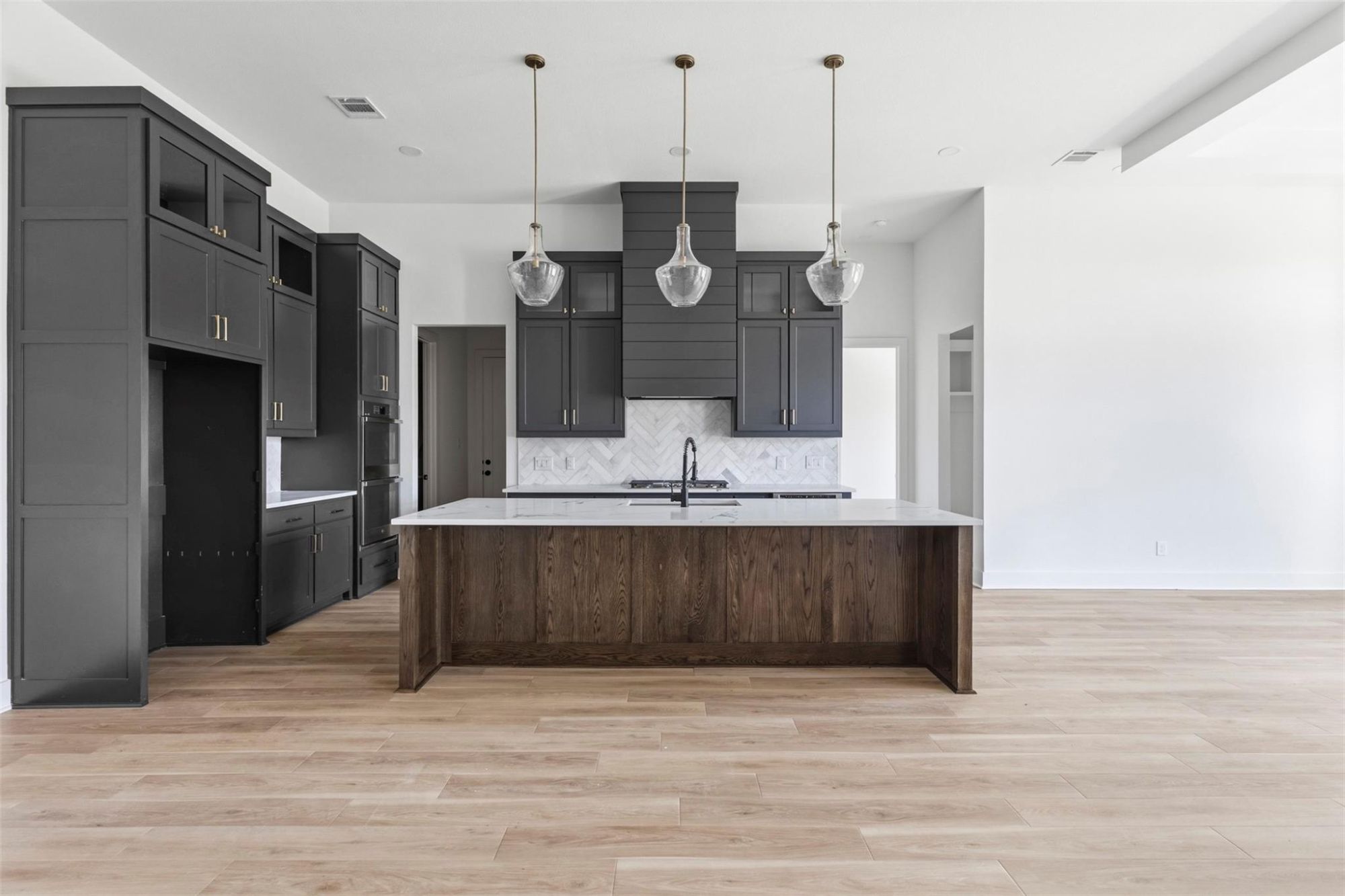
Every Loan Estimate puts three numbers in front of you: an interest rate, an APR, and a charge for points. Buyers tend to latch onto whichever number looks best. Lenders sometimes advertise whichever number looks best, too.
Here's the problem: those three numbers answer different questions. Looking at any one of them alone can lead you to the wrong loan.
We're not going to hand you three dictionary definitions. Instead, we'll put two real-world loan options side by side, run the actual math, and show you exactly when paying for a lower rate makes sense and when it quietly costs you money.
The Three Numbers in One Sentence Each
Interest rate: the rate used to calculate your monthly principal and interest payment.
Points: an upfront fee you pay to lower that rate. One point equals 1% of the loan amount.
APR (annual percentage rate): a broader measure of borrowing cost that folds points and certain lender fees into the rate. It assumes you keep the loan for the full term.
Keep that last part in mind. It's the reason APR can mislead you.
The Head-to-Head Comparison
Let's use a common DFW purchase:
- Home price: $400,000
- Down payment: 20% ($80,000)
- Loan amount: $320,000
- Loan type: 30-year fixed
- Lender fees: $1,500 on both options
| Option A | Option B | |
|---|---|---|
| Interest rate | 6.625% | 6.250% |
| Points | 0 | 1.25 |
| Cost of points | $0 | $4,000 |
| Monthly principal & interest | $2,049.00 | $1,970.30 |
| Monthly savings | — | $78.70 |
| APR | 6.671% | 6.415% |
Figures are for illustration only, not a rate quote. Payments exclude property taxes, insurance, and HOA dues. Real pricing for points changes daily.
At first glance, Option B looks like the clear winner: a lower rate, a lower payment, and an APR about a quarter point better.
But Option B costs $4,000 more at closing. The real question is how long it takes for that $4,000 to pay for itself.
Break-Even Method #1: The Shortcut Most People Use
The common rule of thumb divides the cost of points by the monthly savings:
$4,000 ÷ $78.70 = about 51 months (4 years, 3 months)
It's simple and easy to explain. It's also incomplete.
Break-Even Method #2: The Real Math
The shortcut only counts the lower payment. It ignores a second benefit of a lower rate: more of each payment goes toward principal, so you build equity faster.
That extra equity is real money. You get it back when you sell or refinance, because you'll owe less on the loan.
When you count both the payment savings and the faster paydown, here's where Option B stands over time:
| Years you keep the loan | Payment savings | Extra principal paid down | Minus points | Net result of paying points |
|---|---|---|---|---|
| 2 years | $1,889 | $517 | −$4,000 | −$1,595 |
| 3 years | $2,833 | $778 | −$4,000 | −$389 |
| 5 years | $4,722 | $1,303 | −$4,000 | +$2,025 |
| 7 years | $6,611 | $1,823 | −$4,000 | +$4,434 |
| 10 years | $9,444 | $2,568 | −$4,000 | +$8,012 |
| 15 years | $14,166 | $3,579 | −$4,000 | +$13,746 |
| 30 years | $28,332 | — | −$4,000 | +$24,332 |
The true break-even is about 40 months, or 3 years and 4 months. That's nearly a year sooner than the shortcut suggests.
The main takeaway: if you sell or refinance before roughly 3½ years, paying points costs you money. If you stay longer, it pays you back, and the benefit grows every year.
Why APR Can Point You the Wrong Way
Look back at the APRs: 6.671% for Option A and 6.415% for Option B. APR says Option B is cheaper, and it is, if you keep the loan for 30 years.
APR spreads the $4,000 in points over the full loan term. Very few people actually keep a mortgage that long. When you calculate the effective yearly cost of each loan based on how long you really keep it, the picture changes:
| Years you keep the loan | Option A effective cost | Option B effective cost | Cheaper option |
|---|---|---|---|
| 2 years | 6.88% | 7.19% | No points |
| 3 years | 6.80% | 6.90% | No points |
| 5 years | 6.74% | 6.67% | Points |
| 7 years | 6.71% | 6.57% | Points |
| 10 years | 6.69% | 6.50% | Points |
| 30 years (the APR) | 6.67% | 6.42% | Points |
If you keep the loan for two years, the "lower APR" loan is actually about three-tenths of a percentage point more expensive per year.
APR is a useful tool for comparing lenders on similar loans. It isn't a verdict on whether points are worth it for you, because it assumes a timeline you probably won't follow.
APR also doesn't capture every closing cost. Under federal rules, some costs, such as title insurance and appraisal fees on a home purchase, aren't counted as finance charges in the APR. Always review the full Loan Estimate.
Don't Forget What Else That $4,000 Could Do
Money spent on points can't be spent on something else. If that $4,000 had stayed in a high-yield savings account earning about 4%, the break-even moves out from 40 months to about 44 months. The difference isn't dramatic, but it's worth counting.
That $4,000 could also:
- Stay in your reserves for repairs, a new AC unit, or an emergency during the first year of ownership
- Increase your down payment, which can sometimes move you into a better pricing tier or reduce mortgage insurance if you're putting less than 20% down
- Pay off a high-interest debt, which may save more than the points would
The "right" answer compares points against your next-best use of the cash, not against doing nothing.
How Point Pricing Changes the Math
What it costs to buy a lower rate isn't fixed. It changes with the market, sometimes daily. Here's how break-even shifts for the same 0.375% rate reduction at different prices:
| Cost to buy 6.625% down to 6.25% | Upfront cost | Shortcut break-even | True break-even |
|---|---|---|---|
| 0.75 points | $2,400 | 31 months | 24 months |
| 1.00 point | $3,200 | 41 months | 32 months |
| 1.25 points | $4,000 | 51 months | 40 months |
| 1.50 points | $4,800 | 61 months | 48 months |
| 2.00 points | $6,400 | 81 months | 64 months |
This is why "one point lowers your rate by a quarter percent" is an unreliable rule of thumb. Sometimes buying down is a bargain; sometimes it's expensive. You need to see the actual rate sheet options on the day you lock. (Internal link: [What Actually Happens Behind the Scenes When Your Mortgage Rate Changes?])
When Paying Points Makes Mathematical Sense
- You expect to keep the loan well past break-even. You're buying a home you plan to stay in for many years, and you don't expect to refinance.
- The seller or builder is paying. If seller concessions cover the points, your break-even is essentially immediate, because you get the lower rate without spending your own cash. This is often the most powerful use of points. Concession limits depend on your loan type and down payment.
- You have cash left after closing. Paying points shouldn't drain the reserves you need to own a home comfortably.
- The price to buy down is favorable. If a meaningful rate reduction costs less than a point, the math improves quickly.
- You value a permanently lower payment. Beyond pure dollars, a lower payment for decades can matter for long-term budgeting and retirement planning.
When Paying Points Usually Doesn't Make Sense
- You might move within a few years. Job relocation, a growing family, or a starter home you expect to outgrow can all cut your timeline short.
- You'd likely refinance if rates drop. If rates fall meaningfully in the next couple of years, a refinance erases the rate you paid for. In our example, refinancing at year two means losing about $1,600 on the points.
- Cash is tight. A lower rate won't help much if you can't cover an unexpected repair.
- The cash would do more elsewhere. A larger down payment that reduces mortgage insurance, or paying off high-interest debt, can beat the return on points.
- The buydown is expensive that day. If it costs two or more points to shave off a small amount of rate, break-even may stretch past five years.
A Quick Word on Lender Credits
Points also work in reverse. You can accept a slightly higher rate in exchange for a lender credit that reduces your closing costs. The same break-even logic applies, just flipped. If you expect to sell or refinance fairly soon, taking a credit and a higher rate can be the smarter move.
A Quick Word on Taxes
Points paid on the purchase of a primary residence may be tax-deductible in some situations. Rules and eligibility vary, so talk with a tax professional before counting on a deduction in your math.
Frequently Asked Questions
What's the difference between an interest rate and APR?
The interest rate determines your monthly principal and interest payment. APR includes the interest rate plus points and certain lender fees, spread over the full loan term, to show a broader cost of borrowing.
How do I calculate the break-even on mortgage points?
The quick method divides the cost of points by the monthly payment savings. A more accurate method also counts the faster principal paydown that comes with a lower rate. That usually shortens the break-even period.
Is a lower APR always the better loan?
No. APR assumes you keep the loan for the full term. If you sell or refinance within a few years, a loan with a lower APR but higher upfront points can cost more.
How much does one mortgage point lower my rate?
It varies. Pricing depends on market conditions, the loan program, and your loan details, and it can change daily. Ask your loan officer to show you several rate-and-point options on the same day.
Can the seller pay my points?
Often, yes. Seller concessions can be used toward discount points, subject to limits based on loan type and down payment. When the seller pays, you get the lower rate without using your own cash.
Should I pay points if I think rates will drop?
If you expect to refinance soon, paying points is riskier, because a refinance replaces the rate you paid to lower. Nobody can predict rates reliably, so weigh how likely you'd be to refinance and how long you'd need to break even.
The Bottom Line
The interest rate tells you your payment. Points tell you what you paid to get that rate. APR tells you the cost if you keep the loan for 30 years, which most people don't.
The number that actually decides whether points are worth it isn't on the Loan Estimate. It's how long you'll keep the loan. In our example, paying $4,000 for a quarter-plus point lower rate loses money if you're out within about three and a half years, and saves you over $8,000 if you stay ten.
If you're weighing a rate buydown, or deciding whether to put seller concessions toward points, Clarity Home Lending can run your actual rate sheet options through this same break-even math before you lock.
Recent Posts








President | Senior Loan Officer License ID: NMLS 621901
+1(972) 210-9264 | greg@clarityhomelending.com