
Should You Lock Your Mortgage Rate or Float? Understanding the Risk

Should You Lock Your Mortgage Rate or Float? Understanding the Risk
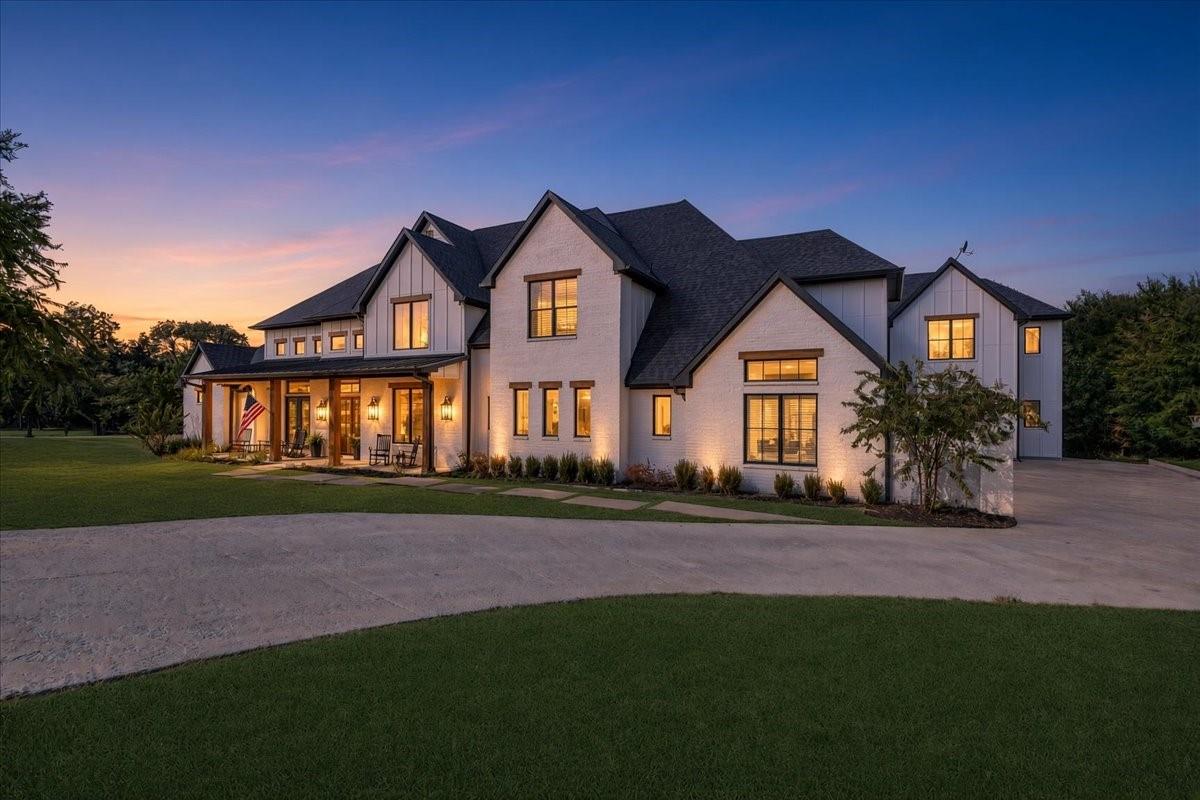
Your offer was accepted. The contract is signed, the option period is underway, and you're already picturing where the couch goes. Then your loan officer asks a question that suddenly feels high-stakes:
"Do you want to lock your rate now, or float?"
It's one of the few decisions in the homebuying process where the market on a single day can change your monthly payment for years. Many buyers make it based on a gut feeling, a headline, or a tip from a friend who's sure rates are about to drop.
Let's replace the guesswork with a clear picture of what a rate lock is, what it costs, what can go wrong between contract and closing, and what's actually at stake in dollars.
What a Rate Lock Is (and What It Isn't)
A rate lock is a lender's commitment to hold a specific interest rate and price for you for a set number of days while your loan is processed.
Once you're locked:
- If rates rise, your rate stays put.
- If rates fall, your rate also stays put, unless you have a float-down provision (more on that below).
Floating means you haven't locked yet. Your rate will be set by whatever the market is doing on the day you eventually lock.
What a lock isn't: a guarantee that nothing about your loan can change. A lock protects you from market movement, not from changes to your loan itself. We'll cover that in detail below.
What a Quarter Point Actually Does to a $450,000 Loan
"Rates went up a quarter point" sounds small. Here's what it means on a $450,000 30-year fixed loan, starting from 6.625%:
| Rate | Monthly P&I | Change per month | Change per year | Change over 5 years |
|---|---|---|---|---|
| 6.125% (down 0.50%) | $2,734 | −$147 | −$1,766 | −$8,829 |
| 6.375% (down 0.25%) | $2,807 | −$74 | −$888 | −$4,439 |
| 6.625% (starting rate) | $2,881 | — | — | — |
| 6.875% (up 0.25%) | $2,956 | +$75 | +$897 | +$4,487 |
| 7.125% (up 0.50%) | $3,032 | +$150 | +$1,804 | +$9,020 |
Illustrative only, not a rate quote. Principal and interest only; excludes property taxes, insurance, HOA dues, and mortgage insurance.
A quarter-point move on this loan is about $75 a month, roughly $900 a year, and nearly $4,500 over five years. A half-point move doubles that.
It can also affect whether you qualify
For buyers close to the edge of their approval, the payment isn't the only issue. Lenders look at your debt-to-income ratio (DTI). If your file is right at a 45% DTI limit, a $75 increase in your payment means you'd need roughly $2,000 more in annual income to qualify for the same loan. A rate move while floating can shrink your approval amount or complicate a file that was working fine.
And it can cost real money to "buy back"
If rates rise while you float, you can often pay discount points to get back to your original rate. In the made-up pricing example from our points article, it took about 1.25 points to lower a rate by 0.375%. At that pricing, undoing a quarter-point rise on a $450,000 loan could cost somewhere around $3,400 to $4,500 at closing. Real pricing varies daily. (Internal link: [Mortgage Rate vs. APR vs. Points: Three Numbers That Buyers Constantly Confuse])
How Fast Can Rates Really Move?
Faster than most buyers expect, and in both directions.
In late March 2026, Freddie Mac's weekly average for a 30-year fixed rose from 6.22% to 6.46% in just two weeks. Right after that, Mortgage News Daily's daily rate index dropped from 6.64% to 6.41% in four business days.
Rates respond to inflation reports, jobs data, Federal Reserve meetings, Treasury auctions, and global events. A single economic report released at 8:30 a.m. can change lender pricing by lunchtime. (Internal link: [What Actually Happens Behind the Scenes When Your Mortgage Rate Changes?])
A typical DFW resale transaction takes roughly 30 to 45 days from contract to closing. That's plenty of time for a quarter-point move in either direction.
Lock Periods: How Long, and What They Cost
Lenders offer locks in set lengths. Longer locks generally cost more, because the lender carries the risk of market movement for a longer stretch and has to protect itself.
| Lock period | Commonly used for | Relative cost |
|---|---|---|
| 15 days | Loans nearly ready to close | Typically the best pricing |
| 30 days | Many standard resale purchases | Slightly higher |
| 45 days | Purchases with a longer closing date | Higher |
| 60 days | Extended closings, complex files | Higher still |
| Extended locks (90+ days) | New construction | Often priced higher, sometimes with an upfront fee |
The cost difference usually shows up as a slightly higher rate or a small pricing adjustment in points. For example, a 60-day lock might price about 0.25 point higher than a 30-day lock. On a $450,000 loan, that's $1,125. That's a made-up number; actual pricing varies by lender and market.
Choosing the right length
The goal is a lock that comfortably covers your closing date with a little cushion, without paying for more time than you need. If you're closing in 32 days, a 30-day lock is cutting it close. Talk with your loan officer about realistic timing for appraisal, underwriting, and any repairs.
New construction is different
Buying a home that won't be finished for months creates a different problem: you may not be able to lock for the full build time at a standard price. Extended lock programs exist, but terms, fees, and refundability vary widely. Some buyers float during construction and lock closer to completion. That's a real risk decision, not a formality.
Lock Extensions: When Closing Gets Delayed
Real estate timelines slip. Common reasons include:
- Appraisal scheduling delays or a low appraisal that requires renegotiation
- Repairs that must be finished before closing
- Title issues or survey problems
- Underwriting conditions that take time to clear
- The seller needing more time, or a contract amendment moving the closing date
If your lock is about to expire before closing, you'll typically need a lock extension. Extensions usually carry a fee, often charged as a fraction of a point or on a per-day basis. For example, a 7-day extension priced at 0.125 point would cost $562.50 on a $450,000 loan.
What if your lock expires?
This is the scenario to avoid. If a lock lapses without an extension, you may have to relock. Many lenders relock at the worse of your original price or current market pricing. If rates have risen, you absorb the increase. If rates have fallen, you may not get the full benefit.
Tip: if a delay is caused by the other side of the transaction, who covers the extension cost can sometimes be negotiated in a contract amendment. Talk with your real estate agent early if the timeline starts slipping.
Float-Down Provisions: A Middle Path
A float-down lets you lock your rate for protection, but still take advantage if rates fall meaningfully before closing.
Float-down terms vary by lender, but they commonly include:
- A minimum improvement. The market often has to improve by a set amount, such as a quarter point, before you can use it.
- A one-time use. You typically get one float-down per loan.
- A cost. Some are built into the lock pricing, and others charge a fee to exercise.
- A deadline. You usually must request it within a set window before closing documents are prepared.
- You have to ask. It doesn't happen automatically.
A float-down is insurance. Whether it's worth it depends on its cost and how much movement it requires. In a calm market it may never trigger. In a volatile one, it can be valuable. Ask whether one is available on your specific loan and get the terms in writing.
What Happens Between Contract and Closing
Here's a typical contract-to-closing path for a financed DFW resale purchase, and where the lock decision fits in:
| Stage | What's happening | Lock considerations |
|---|---|---|
| Contract executed | Offer accepted; in Texas, many contracts include a financing addendum with an approval deadline | You can lock once you have a property and a completed application |
| Application and Loan Estimate | Lender collects documents and issues your Loan Estimate within 3 business days | Until you lock, the rate on your Loan Estimate can change |
| Rate lock | You and your loan officer lock the rate and lock period | If you lock after your initial Loan Estimate, the lender must issue a revised Loan Estimate within 3 business days |
| Appraisal | Appraiser confirms value | A low value can change your loan-to-value ratio and your pricing, even if locked |
| Underwriting | Income, assets, credit, and property reviewed | New debts or credit changes can affect pricing |
| Clear to close | Loan fully approved | Confirm your lock covers the closing date |
| Closing Disclosure | Final terms delivered at least 3 business days before closing | Certain changes, such as an APR increase beyond allowed tolerances, can trigger a new 3-business-day waiting period |
| Closing and funding | Documents signed, loan funded | Lock must still be active |
That Closing Disclosure timing matters more than most buyers realize. If you float until the last minute and your terms change significantly, you could delay your own closing.
What Can Change Your Rate Even After You Lock
A lock protects you from the market. It doesn't protect against changes to the loan you locked. Pricing can be revised if:
- Your loan amount changes, for example after a price renegotiation
- The appraisal comes in low, raising your loan-to-value ratio
- Your credit score drops, often from new debt, late payments, or big credit card balances
- Your down payment changes
- Occupancy or property type changes, such as discovering a condo classification issue
- You switch loan programs, such as moving from conventional to FHA
Protect your lock: don't open new credit, finance furniture, buy a car, change jobs, or move large sums of money without talking to your loan officer first.
The Case for Locking
- Your payment is near the top of your budget, and a $75 to $150 monthly increase would genuinely hurt.
- Your approval is close to DTI limits, and a rate increase could reduce what you qualify for.
- Your closing date falls within a standard lock period.
- A volatile stretch is coming, such as an inflation report, jobs report, or Fed meeting before closing.
- You value certainty. Knowing your payment lets you stop watching the market and focus on the move.
The Case for Floating
- Your closing is far away, such as new construction, where a standard lock won't cover the timeline.
- You have real room in your budget and approval to absorb a rate increase.
- You understand the downside and have decided you're comfortable with it.
- You have a plan: a target rate and a "lock no matter what" deadline with your loan officer.
An honest note: nobody reliably predicts short-term rate moves. Not economists, not lenders, not your coworker with a strong opinion. Floating is a bet. It can pay off, but only float if you can afford to lose it.
A Simple Decision Framework
Ask yourself these four questions:
- If rates rose half a point tomorrow, could I still afford this home comfortably? On a $450,000 loan, that's about $150 more a month.
- Would a rate increase put my loan approval at risk?
- Does a standard lock period cover my closing date with some cushion?
- Would I regret floating more than I'd regret locking before rates dropped?
If the answers point toward limited room for error, locking is usually the safer move. If you have real cushion and a long timeline, floating or locking with a float-down may be worth discussing.
Common Mistakes to Avoid
- Floating because a headline says rates will drop. Headlines aren't forecasts, and markets often price in expected news before it happens.
- Choosing a lock period with no cushion. A few days of delay can mean extension fees.
- Waiting until the Closing Disclosure stage to lock. Late changes can trigger new waiting periods and delay closing.
- Assuming a lock covers everything. Changes to your credit, loan amount, or appraisal can still change your pricing.
- Not getting float-down or extension terms in writing.
Frequently Asked Questions
When should I lock my mortgage rate?
Many buyers lock once they're under contract and have a completed application, especially if the payment is near the top of their budget or their approval is close to DTI limits. The right timing depends on your closing date, risk tolerance, and financial cushion.
How much does a 0.25% rate increase cost on a $450,000 loan?
On a 30-year fixed loan starting at 6.625%, a quarter-point increase adds about $75 per month to principal and interest, roughly $900 per year and nearly $4,500 over five years.
What happens if my rate lock expires before closing?
You'll typically need a lock extension, which usually carries a fee. If the lock expires, many lenders relock at the worse of your original pricing or current market pricing.
What is a float-down option?
A float-down lets you lower your locked rate one time if market rates improve by a set amount before closing. Terms, costs, and eligibility vary by lender, so ask whether one is available and get the details in writing.
Can my rate change after I lock?
A lock protects against market movement, but your pricing can change if your loan details change. That includes your loan amount, appraised value, credit score, down payment, occupancy, property type, or loan program.
Are longer rate locks more expensive?
Generally, yes. Longer locks carry more market risk for the lender, so they're usually priced slightly higher than shorter locks.
The Bottom Line
Locking versus floating isn't about outsmarting the market. It's about deciding how much risk you can afford to carry between contract and closing.
On a $450,000 loan, a quarter-point move is about $75 a month. For some buyers, that's an inconvenience. For others, it's the difference between a comfortable payment and a stretched budget, or between an approval and a problem. Know which camp you're in before you decide.
If you're under contract or getting close, Clarity Home Lending can walk you through your lock options, timelines, and float-down availability, so the decision is based on your numbers rather than a headline.
Recent Posts







President | Senior Loan Officer License ID: NMLS 621901
+1(972) 210-9264 | greg@clarityhomelending.com